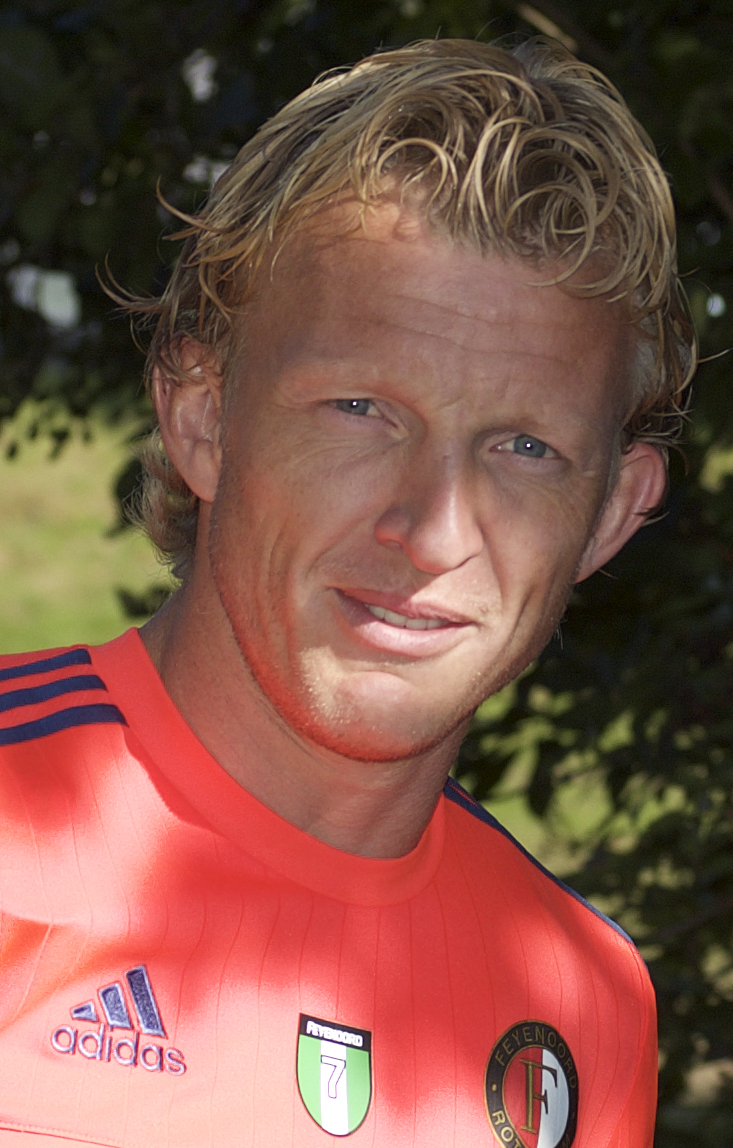
Beyond the Dirk-Folder: Finding Dirk Kuyt's True Net Worth
In an age where information is supposedly at our fingertips, sometimes the path to uncovering specific details can lead us down unexpected digital detours. If you've ever searched for "Dirk Kuyt net worth," you might have encountered references to a "Dirk-folder" – a supermarket flyer. While fascinating in its own right, this digital misdirection highlights the importance of context and accuracy when seeking information about public figures' financial standing. This article aims to cut through the noise, moving beyond the supermarket aisles to explore the impressive career and estimated financial legacy of one of Dutch football's most beloved figures: Dirk Kuyt.
Dirk Kuyt's career was a testament to hard work, versatility, and an unwavering commitment to his teams. From his humble beginnings at Utrecht to becoming a cult hero at Liverpool, a league winner with Fenerbahçe, and a national icon with the Netherlands, Kuyt consistently delivered. But what does such a illustrious career mean in terms of financial accumulation? Let's delve into the factors that contribute to a footballer's net worth and attempt to estimate Kuyt's true financial standing.
The Journey to Financial Success: A Career Overview
Dirk Kuyt’s professional football career spanned nearly two decades, characterized by consistent performance and dedication. His journey began in the Eredivisie with FC Utrecht, where his goal-scoring prowess quickly caught the eye of bigger clubs. A move to Feyenoord in 2003 elevated his profile significantly. At Feyenoord, he cemented his reputation as a prolific striker, becoming a fan favourite and a key figure in the team.
It was his transfer to Liverpool in 2006 that truly propelled him onto the global stage. During his six years at Anfield, Kuyt became renowned for his tireless work rate, ability to score crucial goals, and incredible versatility, often playing as a winger or even an attacking midfielder. Top Premier League players at that time commanded substantial salaries, and Kuyt, as a consistent starter and key contributor, would have been handsomely rewarded. His time at Liverpool, a period of sustained high performance in one of the world's most lucrative leagues, undoubtedly represents a significant portion of his career earnings.
Following his successful stint in England, Kuyt moved to Fenerbahçe in Turkey in 2012. Here, he continued to add to his trophy cabinet, winning the Süper Lig and Turkish Cup. The Süper Lig is also known for offering competitive salaries to attract top European talent, ensuring that Kuyt's earning potential remained high during this phase of his career. He eventually returned to Feyenoord in 2015, where he capped off his playing career by famously leading them to their first Eredivisie title in 18 years, scoring a hat-trick on the final day of the season. Even in his later years, as an experienced leader, his contracts would have reflected his immense value and iconic status.
Beyond club football, Kuyt was a long-serving and influential member of the Netherlands national team, representing his country in three FIFA World Cups (2006, 2010, 2014) and two UEFA European Championships (2008, 2012). While national team appearances don't typically offer weekly salaries like club contracts, they come with performance bonuses, appearance fees, and significantly enhance a player's marketability for endorsements.
Unpacking the Numbers: Estimating Dirk Kuyt's Net Worth
Estimating the precise net worth of any public figure, especially athletes, is notoriously challenging. Official figures are rarely disclosed, and estimates from various sources often differ. However, we can make informed estimations based on typical salaries for players of his caliber, his career trajectory, and known income streams for top-tier footballers.
For a player of Dirk Kuyt's stature, who spent significant periods at clubs like Liverpool and Fenerbahçe during his peak, annual salaries would have been in the multi-million-dollar range. For instance, top Premier League players in the mid-2000s to early 2010s could easily command weekly wages upwards of £50,000 to £100,000, translating to annual earnings of £2.5 million to £5 million (or more) before taxes. His move to Fenerbahçe also represented a lucrative period, as Turkish clubs often offer attractive financial packages to draw established European stars.
Considering his long and distinguished career spanning nearly two decades, with sustained periods at top clubs, a conservative estimate for Dirk Kuyt's total career earnings from salaries alone would comfortably run into tens of millions of dollars. When external websites attempt to aggregate this information, factoring in various aspects, Dirk Kuyt’s net worth is often estimated to be in the range of **$20 million to $30 million USD**. It's crucial to understand that these figures are always estimates, compiled from publicly available data on salaries, endorsement deals (if known), and potential investments, minus assumed expenditures.
Sources of income for a footballer like Kuyt typically include:
- Club Salaries: The primary component, encompassing weekly wages, sign-on fees, and performance bonuses.
- Endorsement Deals: Contracts with sports brands (e.g., Nike, Adidas), local businesses, or even broader commercial campaigns.
- National Team Bonuses: Payments for international appearances and tournament performance.
- Image Rights: Revenue generated from the use of a player's image and likeness.
Beyond the Pitch: Endorsements, Investments, and Post-Playing Career
While club salaries form the bedrock of a professional footballer's wealth, additional income streams play a significant role in accumulating net worth. For a player as recognizable and respected as Dirk Kuyt, endorsement opportunities would have been plentiful, particularly in the Netherlands and the UK. While he may not have pursued global mega-deals like some of the sport's biggest superstars, local or national endorsements with brands relevant to his image—hardworking, family-oriented, disciplined—would have added substantial figures to his income over the years. These could include sportswear, food and beverage companies, or even regional tourism campaigns.
Many athletes also strategically invest their earnings. While specific details of Kuyt's personal investments are not publicly known, it's common for high-earning individuals to diversify their portfolios into:
- Real Estate: Properties for personal use or investment.
- Business Ventures: Investments in various companies or starting their own businesses.
- Stocks and Bonds: Traditional financial market investments.
These investments, if managed wisely, can significantly grow a player's wealth beyond their playing days.
After retiring from professional playing in 2017, Kuyt didn't step away from football entirely. He transitioned into coaching and administrative roles, primarily within Feyenoord. He managed the Feyenoord U19 team, served as an assistant, and later managed the Jong Feyenoord (reserve team). These roles provide ongoing, albeit likely lower, professional salaries that contribute to his overall financial stability. His continued involvement in football also keeps him in the public eye, potentially opening doors for punditry, ambassadorial roles, or other media engagements.
Context is King: Why Net Worth Figures Vary
As you explore various online sources for "dirk kuyt net worth," you'll likely encounter a range of figures. This discrepancy isn't necessarily due to misinformation but rather the inherent challenges in calculating private wealth. Factors influencing these variations include:
- Estimation Methodology: Different financial reporting sites use varying algorithms and data points to arrive at their figures. Some might heavily weigh reported salaries, while others try to factor in undisclosed endorsement deals or investments.
- Taxation and Expenditures: Gross earnings are very different from net worth. High earners face significant tax liabilities, and personal spending habits (luxury assets, lifestyle costs) can greatly impact accumulated wealth.
- Undisclosed Income: Many endorsement deals or private investments are never publicly revealed, making comprehensive tracking impossible.
- Timing of Reports: Net worth is a fluctuating figure, influenced by market performance of investments, new deals, or significant expenditures. An older estimate might no longer be accurate.
- Privacy: Most public figures prefer to keep their finances private, meaning any published figures are educated guesses at best. For more on the challenges of finding accurate net worth figures, you might find Searching for Dirk Kuyt's Net Worth: Why Context Matters insightful.
It's also worth noting the initial confusion we discussed. Sometimes, search algorithms can misinterpret queries, leading to irrelevant results like information about a supermarket flyer instead of the football legend. This underscores the need for critical evaluation of search results. For a deeper dive into this phenomenon, read
Dirk Kuyt Net Worth: Unpacking Irrelevant Search Results.
In conclusion, while we can't pinpoint Dirk Kuyt's exact net worth without access to his private financial records, it's clear that his extraordinary football career laid the foundation for substantial financial success. With a career spanning nearly two decades at some of Europe's biggest clubs, coupled with international appearances and post-playing career engagements, his estimated net worth in the range of **$20 million to $30 million USD** appears to be a reasonable approximation. This wealth is a testament not just to his talent, but to the incredible dedication and hard work he invested throughout his illustrious career, cementing his legacy both on and off the pitch.